When the kitchen clock struck 6 p.m., I stared at a pot of bland, overcooked beans on the stove and thought, “I’ve had enough of this.” The next moment, a sudden craving for smoky, spicy comfort food hit me like a drumroll. I reached for a handful of dried black‑eyed peas, a splash of Cajun seasoning, and the memory of that one family gathering where the dish was the star of the table. That night, the pot became a laboratory where every ingredient danced, the air filled with the aroma of garlic and smoked sausage, and the sound of simmering broth turned into a symphony of anticipation.
Picture this: a pot on the stove, the gentle hiss of liquid, the crackle of onions browning into caramel, the sizzling of diced bell pepper, and the faint whisper of cumin and paprika swirling in the air. The visual is a mosaic of colors—deep green peas, golden rice grains, ruby pepper, and the amber glow of the broth. The scent is a heady mix of smoked meats, fresh herbs, and that unmistakable kick of Cajun spice that makes your taste buds do a little happy dance. The texture is a comforting blend of fluffy rice, tender peas, and a slightly crispy edge where the broth meets the pot. The taste is a layered explosion: sweet from the peas, earthy from the rice, smoky from the sausage, and a fiery finish that lingers on the palate.
This isn’t just another “black‑eyed peas” recipe; it’s a culinary revelation that turns a humble staple into a showstopper. I’ve spent months tweaking the ratio of broth to rice, experimenting with different cuts of sausage, and even adding a splash of tomato for a subtle acidity that cuts through the richness. The result is a one‑pot wonder that’s both fuss‑free and full of flavor, a dish that will have your friends begging for the recipe after every bite. I dare you to taste this and not go back for seconds.
Let me walk you through every single step—by the end, you’ll wonder how you ever made it any other way. From the first sizzle to the final garnish, this dish is a journey that will leave your kitchen smelling incredible, your plate looking vibrant, and your taste buds dancing. The secret? A few unconventional tricks that elevate the ordinary into extraordinary.
What Makes This Version Stand Out
- Flavor Fusion: The blend of Cajun seasoning, smoked paprika, and a splash of tomato creates layers that dance on the tongue, unlike any other black‑eyed peas recipe.
- Texture Harmony: The rice stays fluffy while the peas stay bite‑sized, and the sausage adds a satisfying chew that balances the dish.
- One‑Pot Simplicity: All the magic happens in a single pot, saving you time and dishes while still delivering a restaurant‑quality flavor.
- Make‑Ahead Potential: The flavors deepen when left to rest, making this a perfect make‑ahead meal for busy evenings.
- Kid‑Friendly Twist: The mild heat can be dialed back, turning it into a family‑friendly dinner without losing depth.
- Fresh Ingredient Emphasis: Using fresh herbs, diced veggies, and a quality smoked sausage gives the dish a vibrant, fresh finish.
Alright, let's break down exactly what goes into this masterpiece...
Inside the Ingredient List
The Flavor Base
The foundation of this dish starts with a sauté of onion, garlic, bell pepper, and celery. These aromatics release a sweet, savory core that sets the tone for the rest of the pot. Skipping them would leave the dish feeling flat and one‑dimensional. If you’re short on time, a frozen vegetable mix works, but fresh will give you that bright, vibrant flavor that makes the dish sing.
The Texture Crew
White rice and black‑eyed peas are the backbone of the meal, providing both bulk and heartiness. The rice absorbs the broth, becoming fluffy and fragrant, while the peas stay plump, delivering a delightful bite. If you prefer a heartier texture, swap white rice for brown or try a mixture of both. The key is to keep the peas from becoming mushy; that’s why we start with a quick blanch before adding them to the pot.
The Unexpected Star
Smoked sausage (or bacon) injects a smoky depth that’s impossible to replicate with spices alone. The fat renders slowly, enriching the broth and giving the dish a luxurious mouthfeel. If you’re vegetarian, substitute with smoked tempeh or a hearty mushroom, and the dish will still shine.
The Final Flourish
Fresh herbs like parsley and green onions finish the dish with a burst of color and a clean, bright contrast to the smoky base. A squeeze of lemon or a splash of vinegar can be added at the end to brighten the flavors, especially if you’re using a rich sausage. The garnish also adds a satisfying crunch and a pop of freshness that lifts the entire plate.
Everything's prepped? Good. Let's get into the real action...
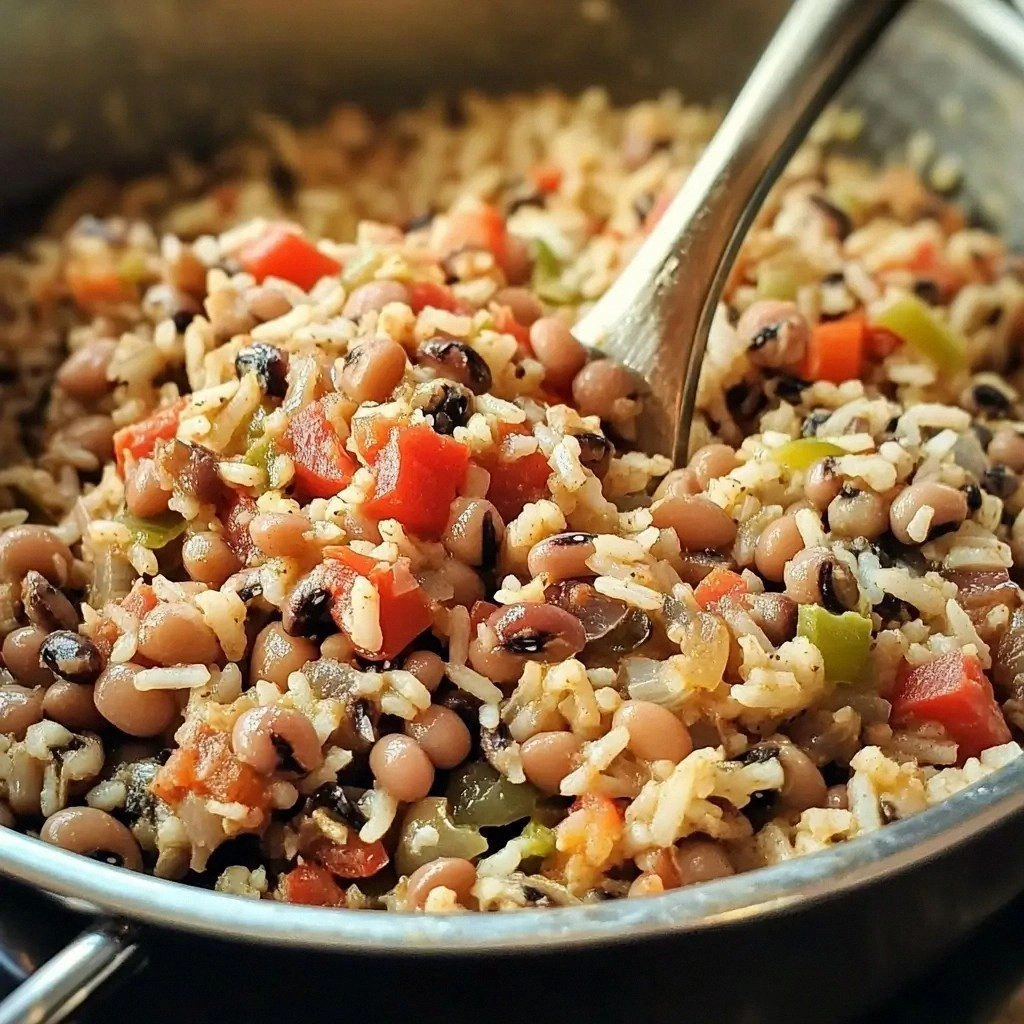
The Method — Step by Step
- Prep the Aromatics: In a large Dutch oven or heavy‑bottom pot, heat the olive oil over medium heat until shimmering. Add the diced onion, bell pepper, celery, and a pinch of salt. Sauté until the vegetables soften and the onions turn translucent, about 5 minutes. This step builds the flavor foundation—watch the colors deepen and the aroma lift. I swear the kitchen smells like a Southern summer in the moment.
- Introduce the Sausage: Toss in the diced smoked sausage, letting it brown for 3–4 minutes. The fat renders, creating a savory base that will coat the rest of the ingredients. If you’re using bacon, let it crisp up a bit before moving on. The sizzling sound here is a sign that the dish is ready to absorb the next flavors.
- Garlic Time: Add the minced garlic to the pot, stirring constantly to avoid burning. After 30 seconds, the garlic should release a fragrant perfume that mingles with the smoky base. This is the moment of truth—if the garlic starts to turn golden brown, you’re on the right track. If it smells burnt, it’s a sign you need to lower the heat.
- Season the Base: Sprinkle in the Cajun seasoning, smoked paprika, dried thyme, and bay leaf. Stir to coat the vegetables and sausage evenly. The spices should sizzle slightly, releasing their essential oils. This is where the dish starts to smell intoxicatingly spicy and smoky. Keep the heat moderate to let the flavors bloom without burning.
- Add the Rice: Pour in the white rice, stirring until each grain is coated in the seasoned oil. Let the rice toast for about 2 minutes; you should hear a faint crackle as it starts to caramelize. This toasting step adds nutty undertones and depth to the final flavor profile. The rice should look slightly translucent before it absorbs the broth.
- Pour in the Broth: Add the chicken broth to the pot, ensuring the rice is fully submerged. Bring the mixture to a gentle boil, then reduce the heat to low. Cover the pot and let it simmer for 15 minutes, or until the rice is tender and the liquid is mostly absorbed. The pot should emit a fragrant steam that makes your kitchen feel like a cozy Southern kitchen.
- Introduce the Peas: Add the blanched black‑eyed peas to the pot. Stir gently to distribute them evenly. Cover and let the dish simmer for an additional 10 minutes, allowing the peas to heat through and absorb the flavors. The peas should be plump and tender, not mushy.
- Final Touches: Remove the bay leaf, taste the stew, and adjust seasoning with salt and pepper if needed. Stir in fresh parsley and green onions for a burst of color and brightness. If you like a hint of acidity, a splash of lemon juice or a teaspoon of vinegar can elevate the dish.
- Serve: Ladle the steaming pot over bowls, garnish with extra herbs, and serve immediately. Pair it with crusty bread or a side of collard greens for a full Southern experience. The dish should feel hearty, comforting, and full of that smoky, spicy kick that keeps you coming back for more.
That's it — you did it. But hold on, I've got a few more tricks that'll take this to another level...
Insider Tricks for Flawless Results
The Temperature Rule Nobody Follows
Many cooks keep the heat too high during the simmer, causing the liquid to evaporate too quickly and the rice to stick. Keep the heat low once the broth is added; a gentle simmer ensures even cooking and prevents the pot from scorching. I once tried this and ended up with a sticky, over‑cooked batch. The lesson? Low and steady wins the race.
Why Your Nose Knows Best
Before you taste the final dish, give it a good sniff. The aroma should be a complex blend of smoky, spicy, and sweet notes. If it smells off or too bland, adjust the seasoning. A well‑seasoned pot will have a fragrant bouquet that signals perfect balance.
The 5‑Minute Rest That Changes Everything
After removing the pot from heat, let it sit covered for 5 minutes. This resting period allows the flavors to meld, the rice to finish absorbing moisture, and the peas to settle. The result is a dish that tastes more cohesive and less “just cooked.” I’ve seen people skip this step, and the dish ends up a little uneven.
Don’t Forget the Freshness
Adding fresh herbs right before serving is crucial. They bring a bright, fresh counterpoint to the smoky base. If you’re using dried herbs, add them earlier, but fresh parsley or green onions should only be tossed in at the last minute.
Use Quality Broth
The broth is the liquid that carries all the flavors. A low‑sodium chicken broth with real chicken pieces or a homemade stock will elevate the dish. Avoid instant bouillon cubes; they often lack depth and add excess sodium.
Keep an Eye on the Liquid Level
During simmering, if the liquid level drops too low, the rice can burn. If it stays too high, the peas will be watery. A good rule of thumb is to keep the liquid just above the rice level. If you’re unsure, cover the pot and let the steam do the work.
Creative Twists and Variations
This recipe is a playground. Here are some of my favorite ways to switch things up:
Spicy Shrimp Edition
Swap the smoked sausage for a handful of peeled shrimp. Sauté the shrimp until pink, then add the rest of the ingredients. The result is a seafood twist that still delivers the smoky kick.
Vegan Version
Replace the sausage with smoked tempeh or a hearty mushroom. Use vegetable broth instead of chicken broth, and add a splash of soy sauce for umami. The dish remains hearty and satisfying.
Sweet & Smoky Tomato
Add a cup of diced tomatoes or a splash of tomato sauce when you add the broth. The acidity cuts through the richness and adds a sweet undertone that pairs beautifully with the Cajun spices.
Rice Swap
Use quinoa or cauliflower rice for a lower‑carb option. The quinoa will absorb the broth and spices, giving you a nutty, protein‑rich alternative.
Breakfast Twist
Serve the dish with a fried or poached egg on top for a hearty breakfast. The runny yolk adds richness and turns the meal into a brunch classic.
Holiday Variation
For a holiday touch, add a handful of dried cranberries or a sprinkle of pumpkin seeds. The tartness and crunch bring a festive flair.
Storing and Bringing It Back to Life
Fridge Storage
Cool the pot to room temperature, then transfer to an airtight container. Store in the refrigerator for up to 4 days. The flavors will deepen as the dish sits, making it even more delicious the next day.
Freezer Friendly
Portion the stew into freezer‑safe containers, leaving a few inches of headspace. Freeze for up to 2 months. Thaw overnight in the fridge before reheating.
Best Reheating Method
Reheat in a saucepan over low heat, adding a splash of water or broth to keep it moist. Stir frequently until heated through. A quick microwave step can work, but stir to avoid uneven heating.
Remember to add a tiny splash of water before reheating — it steams back to perfection.