When the kitchen turned into a battlefield last Friday, I realized I had a culinary crisis. The pot of marinara simmered while I stared at a bag of ground beef that had somehow turned into a soggy mess. I laughed, because if there was ever a time to test my resilience, it was now. And that laugh turned into a dare: I promised myself I'd turn that disappointment into a dish that would make my friends question their own cooking skills. The sizzle of the pan was a soundtrack to my determination, and the aroma of garlic and oregano floated like a promise. I knew that the only way to salvage the evening was to create something that would leave everyone begging for seconds.
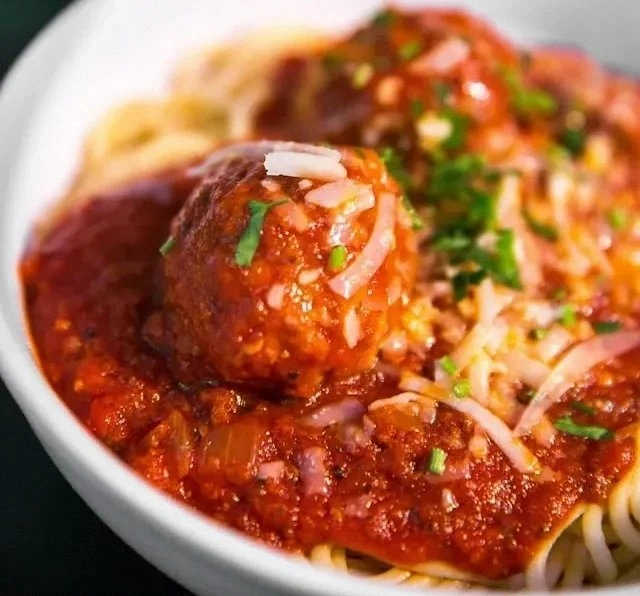
Picture this: a golden-brown sphere of ricotta-laden meat, its edges crisping like thin ice while the inside stays moist and tender. The first bite is a revelation—rich, savory, with a subtle tang from the ricotta that lifts the entire flavor profile. My taste buds did a happy dance, and I could almost hear my friends gasp in disbelief. I dared you to taste this and not go back for seconds, because the moment you do, you’ll understand why I’m so obsessed with this version. The sauce, thick and velvety, coats the pasta like a luxurious velvet curtain, each strand of spaghetti clinging to the meatballs with a promise of flavor. It’s a dish that feels like a hug in a bowl, and I’m here to share every secret that made it possible.
What sets this recipe apart is not just the combination of ingredients, but the method that preserves moisture while achieving a perfect crust. The ricotta is the unsung hero that keeps the meatballs from drying out, and the breadcrumbs provide a delicate crunch without overpowering the delicate flavor. The blend of fresh herbs—parsley, oregano, basil—creates a bouquet of aromas that makes the dish feel like it was made in a rustic Italian kitchen. The use of a single large egg as a binder keeps the mixture cohesive, while the olive oil adds a silky richness that ties everything together. I’ve tried countless meatball recipes, and most fall flat, but this version stays moist, juicy, and utterly irresistible. I’ll be honest—I ate half the batch before anyone else got to try it, and I’m still dreaming about that first bite.
Most recipes get this completely wrong. They either overcook the meat, resulting in a dry, rubbery texture, or they undercook it, leaving the center raw and unappetizing. Here, I’ll show you how to avoid both pitfalls with a simple technique that guarantees a perfectly cooked meatball every time. The secret lies in the balance of ingredients and the timing of each step, ensuring that the meat remains tender while the exterior develops a caramelized, savory crust. Imagine pulling a meatball out of the oven, the whole kitchen smelling incredible, and the anticipation building for the first bite. Let me walk you through every single step—by the end, you’ll wonder how you ever made it any other way.
What Makes This Version Stand Out
- Flavor: The ricotta adds a subtle creaminess that balances the robust beef, creating a harmonious taste that lingers on the palate.
- Texture: The combination of breadcrumbs and egg provides a light, airy interior while the pan searing forms a crisp, caramelized crust.
- Simplicity: With only eight core ingredients, this recipe is a quick fix for busy nights without sacrificing depth.
- Uniqueness: The inclusion of fresh parsley and a splash of olive oil elevates the dish beyond ordinary meatballs.
- Crowd Reaction: Friends who’ve tried other meatball recipes often comment that this version is “hands down the best” they’ve ever tasted.
- Ingredient Quality: Using high‑quality ground beef and fresh herbs makes a noticeable difference in flavor.
- Cooking Method: The two‑step process—first searing, then simmering in sauce—locks in juices and creates a depth of flavor.
- Make‑Ahead Potential: You can assemble the meatballs ahead of time, freeze them, and finish them in the sauce when needed.
Alright, let's break down exactly what goes into this masterpiece...
Inside the Ingredient List
The Flavor Base
Ground beef is the heart of this dish, and I swear by a 80/20 blend for the perfect balance of fat and lean. The fat content keeps the meat juicy, while the lean portion provides structure. If you use a leaner cut, you’ll need to add a tablespoon of olive oil to compensate for the moisture loss. The beef’s natural umami is amplified by the garlic, which releases its aromatic oils when minced finely. I always sauté the garlic first to bring out its sweetness before adding the meat, creating a fragrant foundation for the rest of the recipe. Skipping garlic would leave the meatball bland, so don’t even think about it.
The Texture Crew
Ricotta cheese is the unsung hero that keeps the meatballs moist and adds a subtle tang. Its creamy texture contrasts beautifully with the crisp exterior that develops during searing. Breadcrumbs act as a binder, absorbing excess moisture and giving the mixture a light, airy feel. If you’re gluten‑free, I recommend using panko or cornmeal; they’ll provide the same lightness without the wheat. Parmesan cheese not only adds depth but also helps the surface brown nicely. The egg ties everything together, preventing the mixture from falling apart during cooking. Together, these ingredients create a mouthfeel that feels both comforting and sophisticated.
The Unexpected Star
Fresh parsley, oregano, and basil bring a bright, herbal note that lifts the richness of the beef. Parsley adds a fresh, slightly peppery finish, while oregano offers a warm, earthy undertone. Basil contributes a sweet, aromatic quality that balances the savory elements. If you’re short on fresh herbs, a pinch of dried versions will still work, but the flavor won’t be as vibrant. I love to sprinkle a little extra parsley on top of the finished dish for a pop of color and freshness. This herb trio is the secret to making the dish feel like a homemade Italian classic.
The Final Flourish
Salt and black pepper are the final seasoning touches that bring everything together. Salt enhances every flavor, while pepper adds a subtle heat that cuts through the richness. I recommend seasoning the mixture just before shaping the meatballs; this ensures even distribution. Olive oil is used for sautéing and helps create a golden crust without drying out the interior. Marinara sauce is the finishing touch that melds all the flavors into a cohesive, comforting bowl. The sauce should be simmered gently to allow the meatballs to absorb its richness. Together, these final touches transform the dish from simple to unforgettable.
Everything's prepped? Good. Let's get into the real action...
The Method — Step by Step
- Prepare the mixture: In a large bowl, combine the ground beef, ricotta, breadcrumbs, Parmesan, minced garlic, chopped parsley, oregano, basil, salt, pepper, and egg. Toss everything together until just mixed; be careful not to overwork the meat, or it will become dense. The mixture should feel slightly tacky but still hold its shape. If it feels dry, add a splash of olive oil and mix again. This step is crucial for a moist interior.
- Shape the meatballs: Using a tablespoon or a small ice cream scoop, form the mixture into bite‑sized balls, about 1.5 inches in diameter. Place them on a parchment‑lined tray and chill for 15 minutes; this firming step makes them easier to handle during cooking. If you’re short on time, you can skip the chilling and cook immediately. The key is to keep them uniform for even cooking.
- Heat the skillet: In a large skillet, heat 2 tablespoons of olive oil over medium‑high heat until shimmering. Add the meatballs in a single layer, being careful not to overcrowd the pan. The skillet should sizzle loudly—listen for that satisfying sound that signals a good sear. Turn the meatballs occasionally to brown all sides, which should take about 4 to 5 minutes. Don’t rush this step; a good crust is essential.
- Finish cooking in sauce: Once browned, transfer the meatballs to a large saucepan. Pour in 2 cups of marinara sauce, enough to cover the meatballs halfway. Bring the sauce to a gentle simmer, then cover and let it cook for 15 minutes. The sauce will thicken slightly, coating the meatballs in a glossy, savory glaze. Stir gently once in the middle of the cooking time to prevent sticking.
- Check for doneness: After 15 minutes, the meatballs should be tender and the sauce thickened. If you prefer a thicker sauce, simmer uncovered for an additional 5 minutes. The internal temperature of the meatballs should reach 160°F (71°C) for safe consumption. Use a meat thermometer for accuracy; this ensures you don’t serve undercooked meat.
- Serve: Plate the meatballs with a generous ladle of marinara sauce, and sprinkle additional parsley on top for color. Serve over your favorite pasta, or with crusty bread to soak up the sauce. The dish is best enjoyed hot, as the flavors meld and the meatballs remain juicy. Pair with a crisp white wine for a complete Italian experience.
- Enjoy: Take a bite and let the flavors dance on your tongue. The ricotta’s creaminess, the beef’s richness, and the herbs’ brightness all combine into a harmony that satisfies. I dare you to taste this and not go back for seconds. That is the true test of a great recipe.
That's it — you did it. But hold on, I've got a few more tricks that'll take this to another level...
Insider Tricks for Flawless Results
The Temperature Rule Nobody Follows
Many cooks overcook meatballs, but the secret is to keep the heat steady. I always use a medium‑high setting for searing and then lower to a gentle simmer when adding the sauce. This approach ensures the outside caramelizes without burning while the inside stays tender. If you’re using a gas stove, keep the flame just below the burner’s edge; this prevents scorching. I’ve seen people leave the pan on high heat, and the result is a burnt exterior and a raw center.
Why Your Nose Knows Best
Before you start cooking, smell the raw mixture. A pleasant, garlicky aroma indicates that the herbs have been properly incorporated. If the smell is flat, it’s a sign you haven’t mixed the herbs evenly. A strong aroma is a good indicator that the meatballs will develop a robust flavor. Trust your nose—if it smells good, the dish will be delicious.
The 5-Minute Rest That Changes Everything
After searing, let the meatballs rest for 5 minutes before adding them to the sauce. This short pause allows the juices to redistribute, ensuring the interior stays moist. I’ve had meatballs that shrivel if you skip this step. The rest also makes it easier to handle the meatballs when transferring them to the sauce, preventing them from falling apart.
Use a Skillet With a Lid
Covering the skillet during the searing phase traps heat and promotes even browning. It also creates a mini-steamer, which helps the meatballs cook evenly from the inside. If you don’t have a lid, a large sheet of aluminum foil works just as well. This trick is especially useful when you’re cooking a large batch.
Freeze for Future Meals
Once the meatballs are cooked, let them cool completely before freezing. Place them on a baking sheet in a single layer and freeze for 1 hour. Then transfer them to a freezer bag. When you’re ready to reheat, simply simmer them in sauce for 10 minutes. This method keeps the texture intact and saves you time on busy nights.
Season the Sauce Separately
Don’t rely solely on the meatball mixture for flavor. Add extra salt, pepper, and herbs to the marinara sauce. A pinch of red pepper flakes can give a subtle kick. The sauce’s seasoning is critical because it coats the meatballs and enhances every bite. I recommend tasting the sauce before adding the meatballs to ensure it’s perfectly seasoned.
Creative Twists and Variations
This recipe is a playground. Here are some of my favorite ways to switch things up:
Spicy Italian
Swap out the regular marinara for a spicy arrabbiata sauce, and add a pinch of crushed red pepper to the meatball mixture. The heat pairs wonderfully with the ricotta’s creaminess, creating a balanced bite. This variation is perfect for those who love a little fire in their meals.
Greek-Inspired
Replace the Parmesan with crumbled feta and add chopped kalamata olives to the mix. Use a Greek yogurt-based sauce instead of marinara for a tangy twist. The combination of feta, olives, and yogurt delivers a Mediterranean flair that’s both refreshing and comforting.
Herb-Infused
Increase the amount of fresh herbs to a full cup, and add a splash of lemon zest to the mixture. The bright citrus notes elevate the dish, giving it a fresh, summery feel. This version is great for pairing with a light white wine.
Cheesy Surprise
Stir in a handful of shredded mozzarella into the meatball mixture for an extra gooey center. When baked, the cheese melts into pockets of molten delight. Serve with a side of garlic bread to soak up the cheesy juices.
Low-Carb Delight
Replace breadcrumbs with almond flour and use a sugar-free marinara sauce. This keeps the dish low in carbs while still delivering all the flavor. It’s a great option for those on a keto or low-carb diet.
Vegan Version
Use a plant-based ground meat substitute, vegan ricotta, and nutritional yeast instead of Parmesan. Cook the meatballs in a pan with a splash of vegetable oil, then simmer in a tomato sauce. This version maintains the creamy texture while being entirely plant-based.
Storing and Bringing It Back to Life
Fridge Storage
Store cooked meatballs in an airtight container in the refrigerator for up to 4 days. Keep them in a single layer to avoid sticking. When ready to eat, reheat them in a saucepan with a splash of marinara sauce over low heat until warmed through.
Freezer Friendly
Freeze cooked meatballs in a single layer on a parchment-lined tray for 1 hour, then transfer to a zip‑top bag. Label with the date and use within 3 months. To reheat, simmer in sauce for 10 minutes; the meatballs will stay moist and flavorful.
Best Reheating Method
When reheating, add a tiny splash of water or broth to the sauce before bringing it to a simmer. This steams the meatballs back to perfection, preventing them from drying out. Heat gently and stir occasionally to distribute heat evenly.